
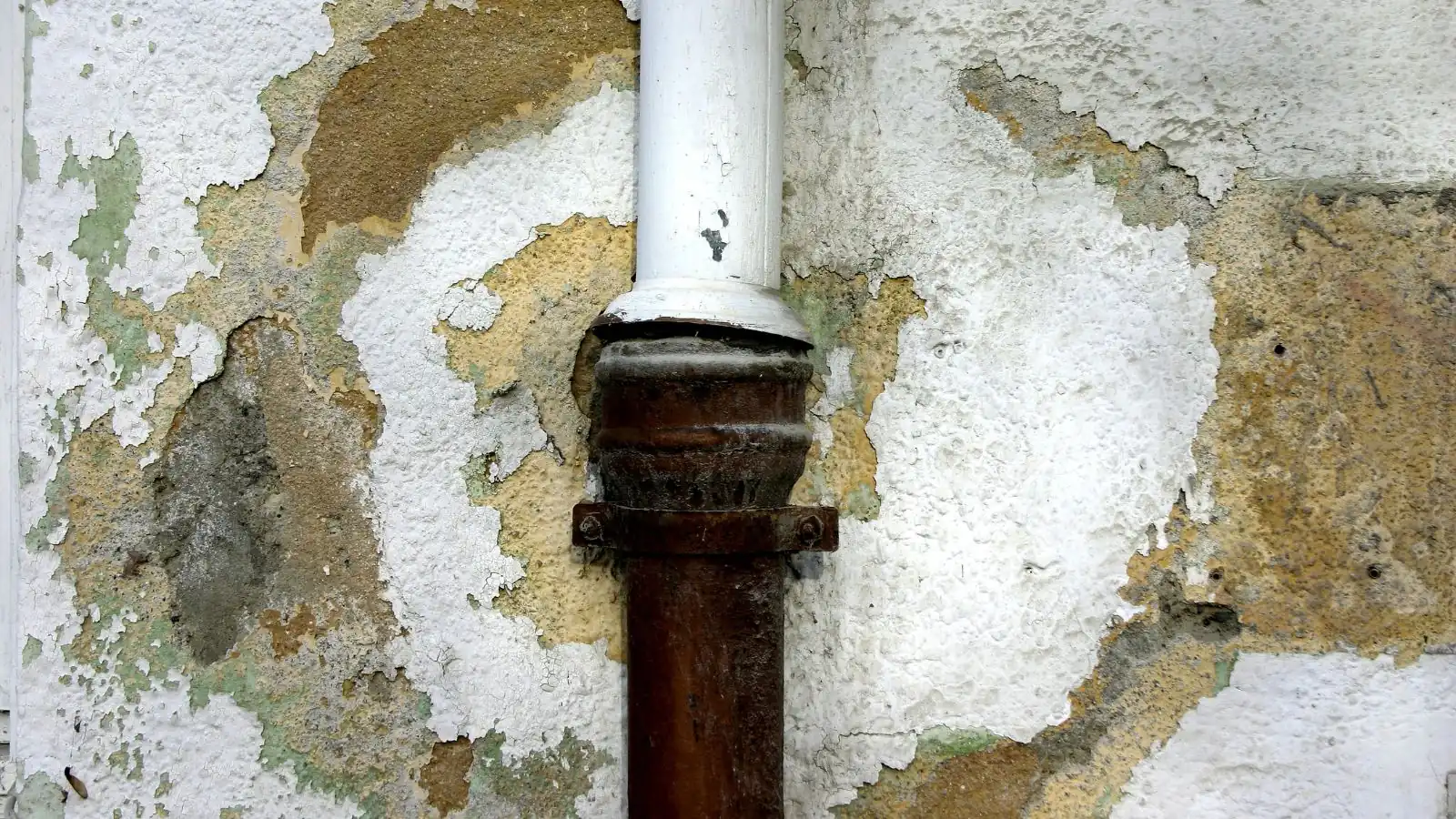
Bubbled paint water damage is a common call because the signs show up on a surface people see every day. A blister on a wall, a peeling patch on a ceiling or a stain that returns after repainting can all mean moisture is behind the paint. Not every bubble is a leak, so the first job is to work out which kind you have.
Why moisture makes paint bubble
Paint is a thin film bonded to drywall or plaster. Water that reaches the back of that film lifts it away from the surface, and the film forms a bubble. If the water keeps coming, the bubble grows, then splits and peels.
Moisture can come from a leak in the wall, a roof or window problem, condensation, or humidity that is high for long periods. Each leaves a different pattern, which is why location and timing matter.
Reading the pattern
| What you see | Likely moisture source | Next step |
|---|---|---|
| Bubbles low on an exterior wall | Water at the foundation or a window well | Check grading, gutters and downspouts. |
| Bubbles near a bathroom or kitchen wall | A supply or drain leak, or steam | Check for a damp feel and listen for dripping. |
| Bubbles with a brown ring on a ceiling | A roof or upstairs plumbing leak | Look above the stain, in the attic or room overhead. |
| Bubbles that return after repainting | Water is still arriving | Stop painting, find the source, then dry. |
A pattern is a clue, not a diagnosis. Moisture readings confirm what is wet.
How to check before you scrape
Call the 24/7 line and describe the stain.
- Press the bubble. A soft, damp feel suggests water behind the paint.
- Look for a stain, a ring or a musty smell near the bubble.
- Check above and behind the spot for plumbing, windows or the roof.
- Photograph the area with a ruler for scale so you can watch it change.
- Do not scrape a large area before you know what is behind it. Old paint may contain lead, so ask a professional before you disturb it.
The EPA advises that homes built before 1978 may have lead based paint. If your home is older, have a certified professional advise you before sanding or scraping.
When bubbled paint is a sign to call
If the bubbling is spreading, the wall feels wet, or the stain is growing, call the 24/7 line. Hidden moisture in a wall cavity can damage drywall, insulation and framing. A crew can check with a moisture meter and thermal camera without cutting into the wall.
See the wall and drywall page for what repair involves, and the ceiling page if the bubbles are overhead.
Verona moisture conditions
Madison’s 1991 to 2020 climate normals show 37.13 inches of precipitation and 51.8 inches of snow a year. Long winters and spring melt keep exterior walls, window wells and foundations exposed to moisture.
Indoor humidity can also rise in winter if homes are tightly sealed. A hygrometer costs little and tells you whether the air itself is a factor.
What repair looks like
Find the source
A plumber, roofer or drainage contractor fixes the cause.
Remove what is damaged
Soaked drywall or insulation is cut out if it cannot be dried.
Prime, patch and paint
Repainting waits until readings show dry, and a stain blocking primer is used where needed.
Painting over a damp wall is the most common mistake. The paint fails again, and the moisture stays inside. Wait for a dry reading first.
For homes in Madison or Cross Plains, the same steps apply.
Why bubbles sometimes stay small
A small, stable bubble that has not changed in months may be an old problem. Old leaks that stopped leave behind paint that never settled. Mark the edge of the bubble with a pencil and check it every week. If it grows, moves or feels softer, treat it as active.
A hygrometer in the room tells you the humidity level. A reading above about 60 percent for long periods is high enough to make paint lift on cold exterior walls.
Cold walls are the usual suspects in winter. Warm indoor air meets a cold surface and leaves water on the paint. Better air movement and a dehumidifier reduce that kind of moisture, with no leak to fix.
The EPA’s guidelines on moisture say that controlling moisture is the key to controlling mold, so find the source of the bubbles before you repaint.
Bubbled paint questions
Can high humidity alone make paint bubble in Verona?
Yes. Long periods of high humidity, especially in bathrooms and kitchens, can lift paint. A fan, a dehumidifier and a hygrometer help you tell it from a leak.
Is bubbled paint always water damage?
No. Poor surface prep, painting over dust or oil, and paint applied in damp weather can all cause bubbles. A moisture reading separates these from a leak.
Can I just paint over it?
Not until the cause is found and the wall is dry. Paint over moisture fails again and hides a growing problem.
Should I worry about mold?
Persistent moisture can support mold growth. If you see growth or smell mustiness, tell dispatch when you call.