
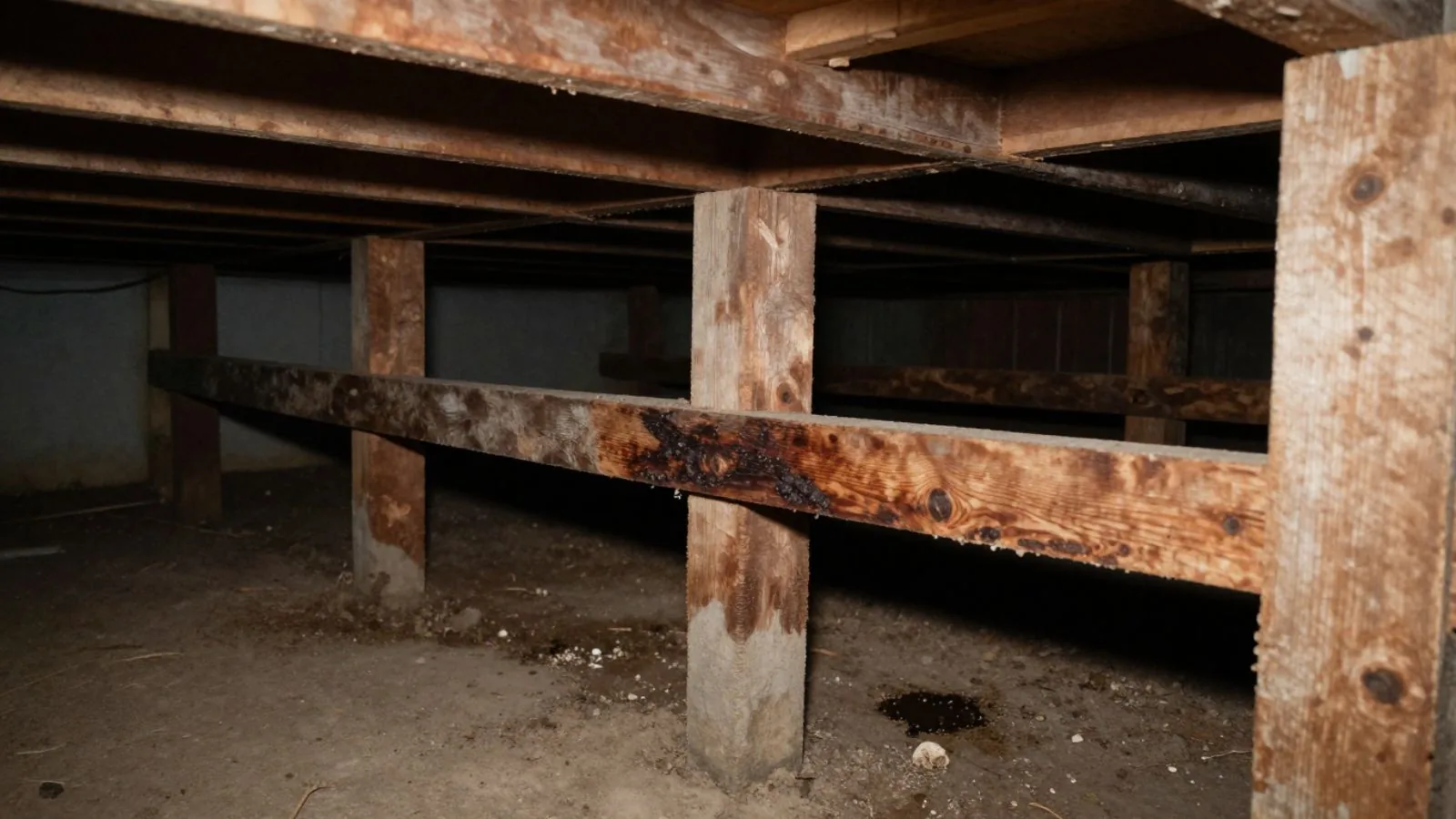
If your home has had water damage, you may wonder what you have to tell a buyer. The short answer is that Wisconsin has a seller disclosure process, and honest records protect you. This is general information, not legal advice. Talk to your real estate agent or a Wisconsin real estate attorney about your specific situation.
How seller disclosure generally works in Wisconsin
According to chapter 709 of the Wisconsin Statutes, owners of one to four unit residential property are generally required to complete a Real Estate Condition Report that discloses known defects, including some related to water. The report is about what you know, not what an inspector might find.
Read the actual form and the statute, and confirm with your agent which parts apply to your sale.
Why records help a seller
| Record | What it shows a buyer | Where to keep it |
|---|---|---|
| Insurance claim file | What happened and when | A binder or cloud folder. |
| Restoration scope and invoice | What was done to dry and repair | Same folder. |
| Moisture readings and photos | That the structure was dried | Same folder. |
| Plumber or roofer receipts | That the cause was fixed | Same folder. |
| Permits and inspection sign-offs | That work met local rules | Same folder. |
A buyer who sees a documented repair is more comfortable than one who finds a stain and has no information. Records turn a worry into a closed issue.
Past water damage is not always a problem
Call the 24/7 line before you worry about listing.
A single event that was repaired and documented is different from an ongoing problem. Buyers and inspectors care most about whether the source was fixed and the structure dried. Disclose what you know, include the repair documents and be consistent in what you say.
Hiding a known problem tends to cost far more than the repair, both in money and in legal risk.
Verona sale notes
Ask your real estate agent how local buyers in Verona tend to view past basement water, since many buyers ask about it. A record of repair and a working sump system are reassuring.
The August 20 and 21, 2018 flooding in western Dane County is the type of event buyers may ask about. Check the FEMA flood map for your parcel so you can answer flood zone questions with facts.
Before you list
- Gather the claim file, scopes, invoices and photos in one folder.
- Fix any active leak or moisture source and keep the receipt.
- Have a moisture check done if you are unsure the structure is dry.
- Replace stained materials, since visible stains raise questions.
- Ask your agent how to word the disclosure form.
If the inspector finds moisture
Buyers often hire an inspector who uses a moisture meter. A high reading does not always mean a leak. It may be a past event that has dried at the surface but not inside. A recent dry reading from a restoration company helps.
If the inspector finds an active issue, you can fix it, adjust the price or offer a credit. Your agent can guide you on options.
Insurance history
Some insurers share claim history in a database that buyers’ insurers may check. A past water claim can affect a buyer’s ability to get coverage or the premium. Ask your agent how that applies to your situation.
If you need water removed and the house dried before you list, start with water extraction and structural drying. Crews also work in Mount Horeb and Oregon.
What buyers actually look for
Most buyers want to know three things: what happened, whether the cause was fixed and whether the structure is dry. A short summary letter, with the repair invoice and the moisture readings attached, answers all three. Give the summary to your agent so it can be shared with interested buyers in a consistent way.
Be factual and brief. Avoid guessing about the cause if you do not know it. Say what you know and attach the records.
Keep a copy of every document you hand to a buyer, and note the date. If a question comes up after closing, a clear record of what you disclosed and when is the best protection you have.
If you are unsure how to describe a past event, ask your agent for wording. Plain facts with dates beat vague statements, and a consistent story across the form and the records builds trust.
Timing matters
If you have an active problem, deal with it before you list. A buyer’s inspection can pause a sale, and a repair done under time pressure costs more and leaves less room for a thoughtful scope. Allow time for drying, repairs and, where needed, permits.
Selling questions from Verona homeowners
Do I have to disclose past water damage in Wisconsin?
Wisconsin’s seller disclosure law generally calls for disclosure of known defects. Ask your agent or a real estate attorney how it applies to your property.
Will one repaired leak hurt my sale?
A repaired and documented leak usually matters less than an unexplained stain. Records help.
Should I replace a stained ceiling before listing?
Fix the source first, confirm dry readings, then repair the stain. A fresh stain suggests an active problem.
Where can I check flood risk for a Verona property?
Use the FEMA flood map for the parcel, and ask the City of Verona about local drainage history.