
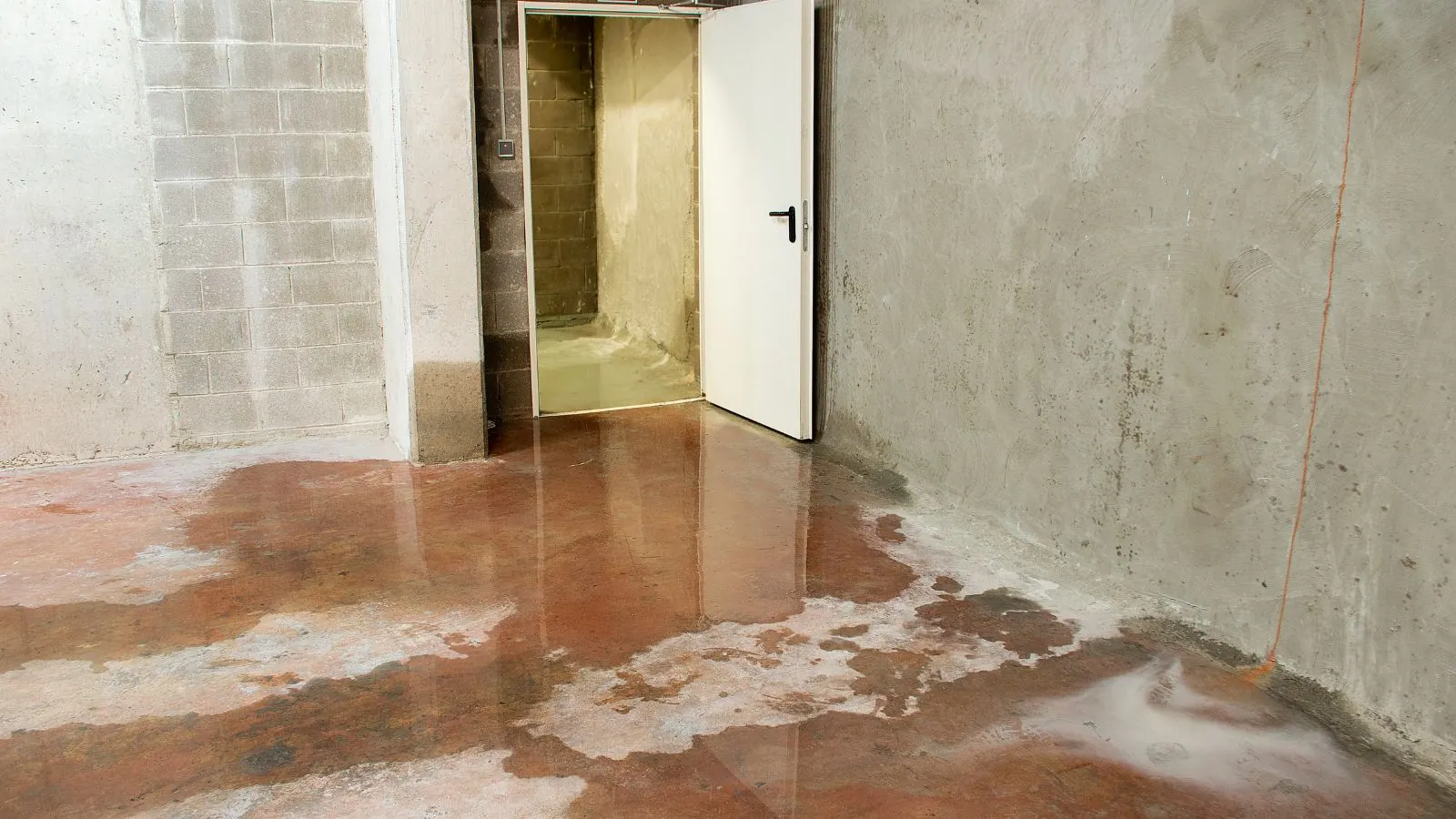
After a leak or flood, you face a pile of wet things and a clock. Some can be saved with cleaning and drying, and some cannot. Throwing out too much costs money. Keeping the wrong things can hurt your health. Two questions sort most items: what kind of water touched it, and what is it made of?
Start with the water type
Clean water from a supply line is the easiest case. Water from a washing machine or dishwasher drain may carry soap and bacteria. Sewage and flood water are the hardest, because they carry disease causing germs.
The EPA advises that porous items touched by flood water or sewage should generally be discarded. Hard, non-porous items can often be cleaned and sanitized.
Sort by material
| Material | Clean water | Gray or black water |
|---|---|---|
| Hard surfaces (metal, glass, glazed tile, plastic) | Clean and dry | Clean and sanitize. |
| Solid wood furniture | Often dry and save | Case by case, often cleaned. |
| Particleboard furniture | Often swells and fails | Discard. |
| Upholstered furniture and mattresses | Dry within a day if clean, otherwise discard | Discard. |
| Carpet and pad | Pad is usually removed, carpet may be dried | Discard. |
| Drywall and insulation | Dry if caught early, remove if soaked | Remove. |
| Books, papers, photos | Air dry flat or freeze, and ask a conservator about valuable items | Case by case. |
A rule of thumb. The adjuster and the crew may reach different conclusions for a specific item.
Photograph before you discard
Call dispatch and describe the items and the water.
If you plan to file an insurance claim, photograph each item before it leaves the house. Note the make, model or approximate age, and keep a list. Ask the adjuster whether any large items must be kept until inspection.
Do not throw away anything the adjuster has asked to see. If space is a problem, move items to a garage or outdoor area under cover.
Items to treat with caution
- Food and medicine that touched flood or sewage water. Discard it.
- Stuffed toys and pillows with contaminated water. Discard them.
- Electronics that got wet. Do not turn them on until a technician checks them.
- Items with a musty smell that does not go away.
- Anything you are unsure about. A moisture check or an expert opinion helps.
Items kept in a basement after a flood often look fine and smell wrong a week later. If the smell is coming back, the item or the area is still damp.
Verona household notes
Many homes in the area have basements where items sit at floor level. A few inches of water reaches boxes and furniture legs first, so raise stored items onto shelves when you can.
Ask the City of Verona or your waste hauler about bulk pickup and disposal rules before you stack wet materials at the curb.
How crews help with the sort
A restoration crew can check items with a meter, tell you which materials can be dried in place and remove what cannot. Water extraction takes out standing water first, and then the crew removes wet pad and drywall as needed. The flood damage page explains how larger losses are handled.
Dispatch is open 24 hours a day and can send a crew the same day when one is available.
Cleaning what you keep
- Wash hard items with soap and clean water, then rinse.
- Sanitize non-porous surfaces according to product directions.
- Dry everything completely and quickly with air movement.
- Wear gloves, boots and a mask during cleanup.
- Wash your hands thoroughly afterward.
This applies to homes in Cross Plains, Madison and the rest of Dane County too.
When in doubt, ask for a reading
A moisture meter takes a reading in seconds and settles many arguments about whether a piece of furniture or a section of wall is dry. A crew on site can take readings on items that you are unsure about, and can tell you which are worth saving.
If something has a strong odor after drying, it is usually still holding moisture, bacteria or both. Odor is a reason to discard, even if it looks fine.
Label what you decide to keep and what you decide to discard, so no one in the family puts a discarded item back by mistake.
Take extra care with items your family uses closely, such as children’s toys, bedding and kitchenware. If they touched contaminated water, replace them. The cost of a new set is small next to the cost of getting sick.
Keep or discard questions
What can I do with a wet couch after a clean water leak?
If it is dried within about a day, it may be saved. Anything that stays wet or smells musty should go. Gray or black water means discard.
Can I keep mattresses that got wet?
Not safely if the water was contaminated. For clean water, drying within a day may work, and the filling must be fully dry.
Should I keep a list for the insurance company?
Yes. List each item with its age, approximate value and a photograph. Keep it with your claim notes.
Where do I take wet debris in Verona?
Ask the City of Verona and your waste hauler about bulk pickup and drop-off rules before you put it out.