
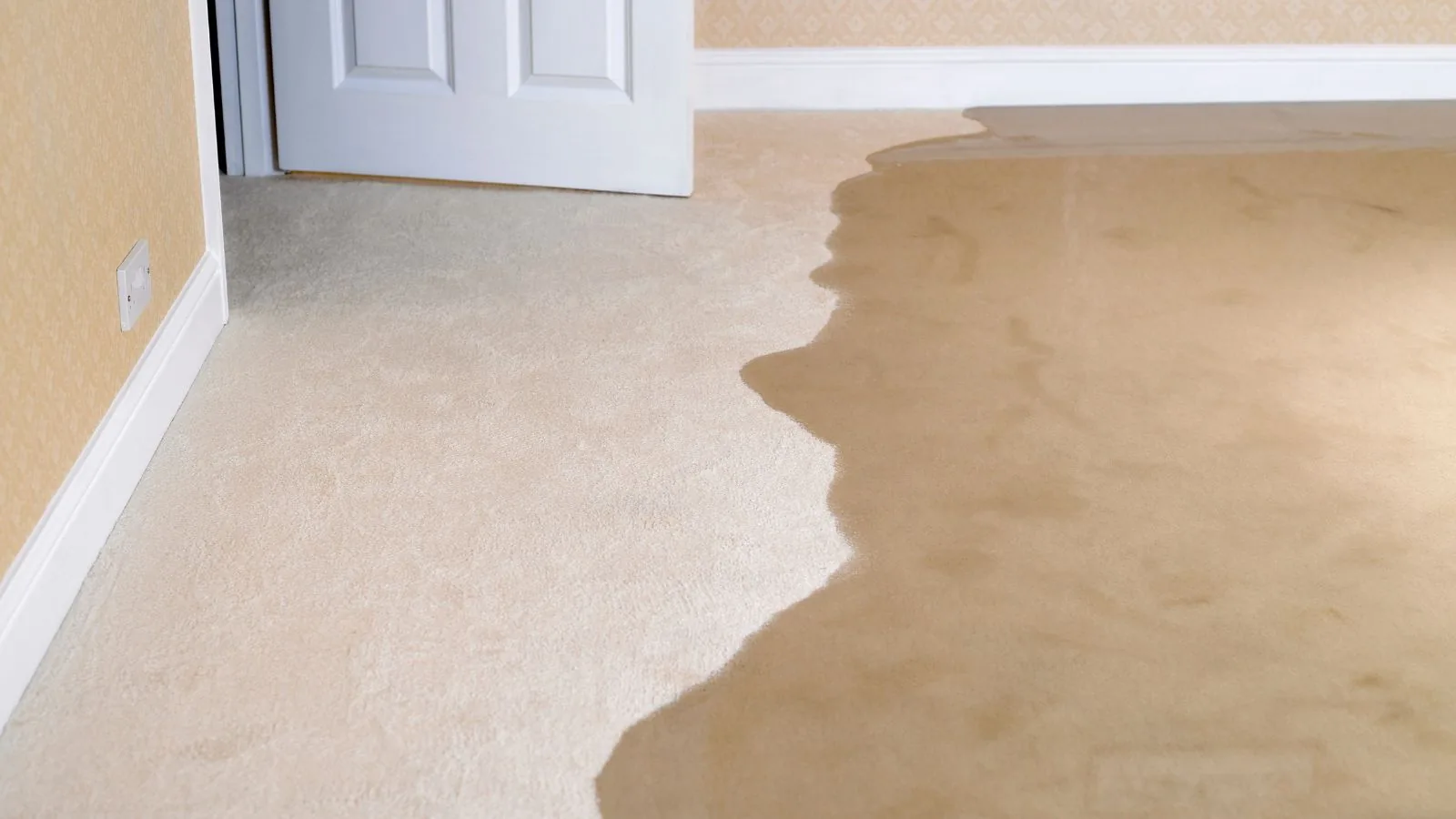
A spilled bucket or a short appliance drip is not the same as a basement with two inches of water. Homeowners can handle some wet spots safely, and trying to do more can leave moisture trapped behind walls. This guide draws the line, using water type, size and time as the three tests.
Test one: where did the water come from?
Water is sorted into three categories. Category 1 comes from a clean source such as a supply line. Category 2, sometimes called gray water, comes from sources like a dishwasher or washing machine drain and may carry contaminants. Category 3, sometimes called black water, comes from sewage or flooding from outside and is a health risk.
You can often handle small Category 1 spills yourself. Categories 2 and 3 change that, because contaminated water and the materials it touches need protection and sanitizing.
Test two: how much water, and for how long?
| Situation | DIY reasonable? | Why |
|---|---|---|
| A cup of clean water on a hard floor | Yes | Wipe, dry and ventilate. |
| A small clean leak on a tile floor, caught within an hour | Usually | Mop, towel dry and run a fan. |
| Clean water soaking a carpet and pad | Often no | Water sits in the pad and subfloor. |
| Water in a wall or ceiling | No | Moisture hides in cavities. |
| Any gray or black water | No | Contamination risk. |
| Water that sat more than a day | No | Mold risk rises quickly. |
These are rules of thumb. If you are unsure, a moisture reading settles it.
Test three: how long has it been?
Call and tell dispatch what got wet.
According to the EPA’s guidelines, wet materials should be dried within 24 to 48 hours to limit mold growth. If a spill is older than that, or you cannot tell how long it has been there, the safe step is to have it checked.
Time matters most for porous materials such as carpet pad, drywall and insulation. A hard floor can be wiped dry in minutes. A wall cannot.
What you can safely do yourself
- Shut off the water source if it is safe to reach.
- Mop or blot clean water from hard floors and dry them with towels.
- Run fans and a dehumidifier in the room for days, not hours.
- Lift small rugs and furniture legs off wet carpet.
- Open cabinet doors to let air in.
Avoid household vacuums on standing water, and stay away from outlets and cords in a wet room.
What needs a pro
- Water that reached drywall, insulation or ceilings.
- Any amount of sewage or flood water.
- Wet carpet pad, or carpet over a concrete slab.
- Water that sat for more than a day or two.
- A smell of mustiness with no visible cause.
A crew brings extraction, air movers, dehumidifiers and meters. Water extraction pulls out what mops cannot, and structural drying brings wall and floor materials back to a dry reading.
Verona drying conditions
Madison’s 1991 to 2020 climate normals show 37.13 inches of precipitation a year and a January mean of 19.4°F. Winter air is dry, but spring and summer humidity can slow drying in a closed house.
Ask the City of Verona building department before you remove or replace wet drywall if you are unsure whether a permit applies.
Signs your DIY drying did not work
- The smell returns after a day or two.
- Baseboards or paint show new staining or swelling.
- Floors cup, buckle or feel soft underfoot.
- A moisture meter still reads high after several days.
If you see these, stop and call. Water that stays behind walls grows into a larger repair. The carpet page and the wall and drywall page cover what repair involves for those materials.
Crews work in Madison and Oregon as well as Verona.
Moisture meters for homeowners
A pin or pinless moisture meter costs little and gives a reading on drywall and wood. It is a good tool to check your own work. A reading is only meaningful against a dry reference, so test an area of the same material that was never wet.
A drying log you can keep
Write down the date, the room and a moisture reading each day. Add the temperature and humidity if you have a hygrometer. When readings stop dropping, the material is as dry as it will get in that room. If they stay high, something is still feeding the area, such as a leak you have not found.
A log also helps with an insurance claim, since it shows the steps you took and when.
Drying questions from Verona homeowners
Can I use a box fan to dry a wet basement in Verona?
A fan moves air, but it does not remove moisture on its own. In humid months, it can push damp air around. A dehumidifier does the real work, and a crew uses both with meters.
How long should DIY drying take?
Small hard-surface spills dry in hours. Anything soaked into carpet, drywall or insulation takes days, and checking with a meter is how you know.
Is a wet carpet always a loss?
Not always. Clean water that is caught fast can sometimes be dried with the pad removed. Contaminated water means replacement.
When should I stop and call?
When the water is in a wall, ceiling or pad, when it is not clean water, or when it has sat for a day or more.